
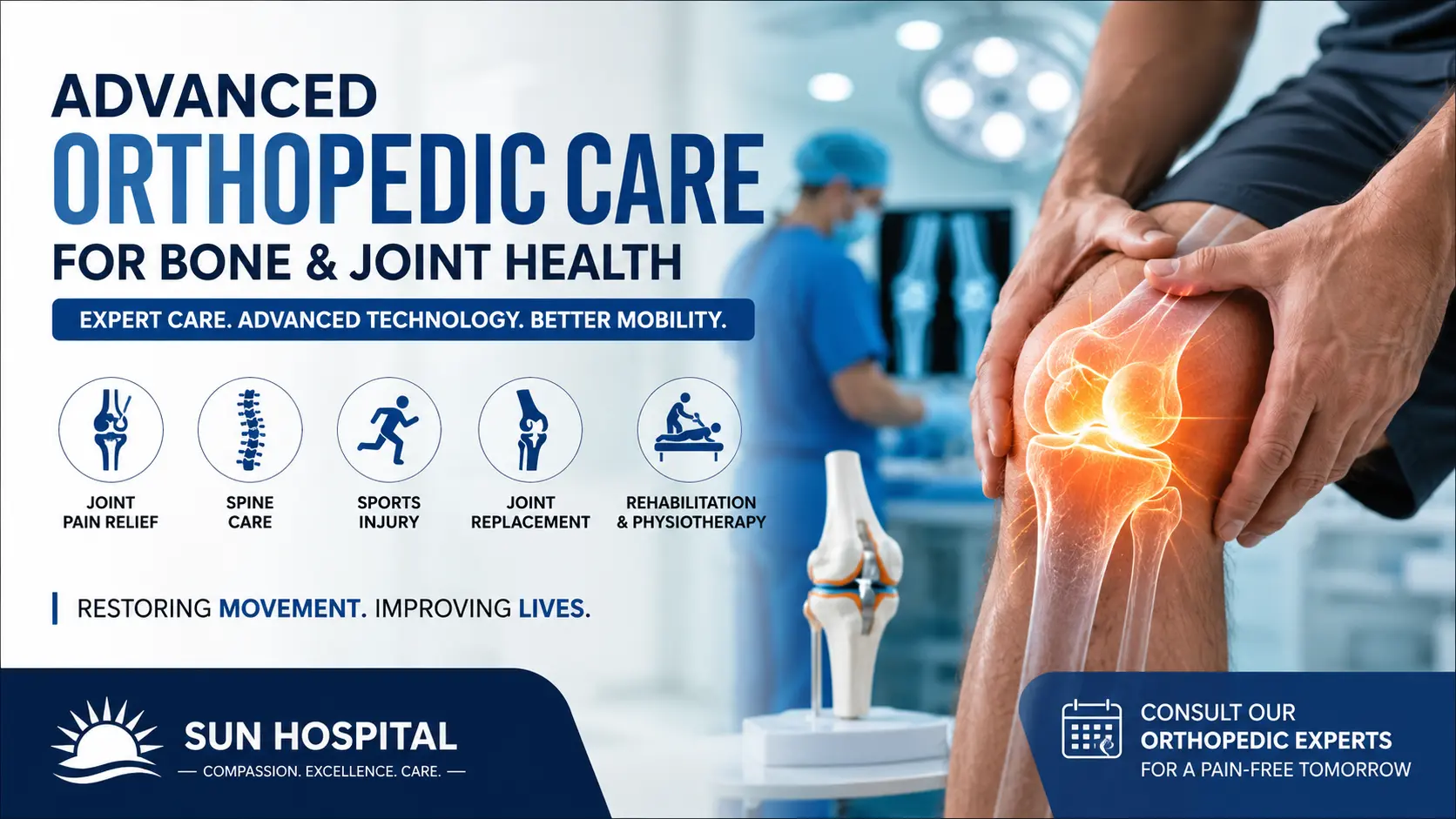
Bones and joints are crucial to a healthy lifestyle. A robust musculoskeletal system is important to overall health and well-being, whether walking, climbing, participating in sports, or completing daily activities. Over time, however, injuries, lifestyle choices, aging, and arthritis can affect bone and joint health, causing pain, stiffness, and decreased mobility. Seeking expert care from a specialist in orthopedic in Patna can help individuals identify musculoskeletal problems, explore suitable treatment options, and maintain better mobility and an active lifestyle.
If you choose to consult with an expert orthopedic doctor in Patna in the early stages, you can get a diagnosis and effective treatment before complications arise. In today’s advanced orthopedics, diagnosis, minimally invasive interventions, rehabilitation and prevention programs are all available to help restore motion and enhance quality of life.
Patients seeking comprehensive orthopedic services benefit from multidisciplinary care that focuses on both recovery and prevention. Sun Hospital, recognized among the best hospitals in Patna, provides patient-centered orthopedic services designed to help individuals regain confidence, mobility, and independence through evidence-based treatment.
Why Bone and Joint Health Should Never Be Ignored
Movement of the body is accomplished by the interaction of bones, joints, muscles, ligaments and tendons. An injury or a joint disorder, even if it is not particularly serious, can be a factor that will impact mobility and the functioning of everyday life over time.
If symptoms like pain, swelling, stiffness, or a lack of movement persist, this can make for more serious problems down the road. Early evaluation can help the doctor know the cause early and provide treatment before the condition gets worse.
Today orthopedic medicine is more than just treating diseases, it is also about preventing disability and maintaining joint function for the future.
Common Orthopedic Conditions That Require Medical Attention: Orthopedic in Patna
Arthritis
Arthritis is one of the leading causes of chronic joint pain worldwide. It commonly affects the knees, hips, shoulders, and hands. Patients often experience swelling, morning stiffness, and difficulty performing routine tasks. Early treatment helps control symptoms and slows disease progression.
Osteoarthritis
This condition develops due to gradual cartilage wear with aging. Patients usually notice increasing pain during movement and stiffness after prolonged rest. Lifestyle changes, physiotherapy, medications, and joint replacement surgery may be recommended depending on severity.
Rheumatoid Arthritis
Unlike osteoarthritis, rheumatoid arthritis is an autoimmune disease that causes inflammation in multiple joints. Early diagnosis is essential to prevent permanent joint damage and preserve mobility.
Fractures and Bone Injuries
Fractures may occur due to road accidents, sports injuries, falls, or osteoporosis. Every fracture requires proper evaluation because delayed or improper healing can lead to deformity or chronic pain.
Treatment options include casting, splinting, minimally invasive fixation procedures, or surgery depending on the fracture type and location. Rehabilitation is equally important for restoring strength and movement.
Sports Injuries
Sports activities may result in ligament tears, tendon injuries, muscle strains, or cartilage damage. Athletes and physically active individuals benefit from early diagnosis, physiotherapy, and rehabilitation programs that support a safe return to activity while reducing the risk of reinjury.
Spine Disorders
Back pain and neck pain are becoming increasingly common due to sedentary lifestyles and prolonged screen time. Conditions such as slipped discs, spinal degeneration, and nerve compression require comprehensive assessment.
Treatment usually begins with medications, posture correction, physiotherapy, and lifestyle modifications. Surgery is considered only when conservative treatment does not provide sufficient relief.
Knee and Hip Problems
Knee and hip pain can significantly limit walking and daily activities. Common causes include arthritis, ligament injuries, cartilage damage, and age-related degeneration.
Early intervention helps preserve joint function, while advanced joint replacement procedures can restore mobility in patients with severe joint damage.
Advanced Diagnostic Services in Orthopedic in Patna
Accurate diagnosis forms the foundation of successful treatment.
Digital Imaging
Up-to-date X-rays can give a detailed assessment of fractures, joint deterioration and the alignment of the bones. They inform specialists to make rapid and correct treatment choices and to avoid delay in diagnosis.
MRI and CT Scan
While MRI scans can give detailed information about ligaments, cartilage, muscles and soft tissues, CT scans can help determine the nature of complex fractures and bone abnormalities. These imaging modalities enable the exact planning for many orthopaedic diseases.
Bone Health Assessment
Bone density measurements may be indicated for patients with osteoporosis or patients with multiple fractures. Medications, nutrition counseling and lifestyle changes can help prevent fractures if they are detected early.
Advanced Treatment Options for Bone and Joint Disorders
Non-Surgical Treatment
Good results can often be obtained from non-operative treatment for many orthopedic conditions.
Medications, physiotherapy, joint injections, activity modification and weight management may be used in treatment. Personalized treatment plans ensure the pain is addressed and flexibility and strength are enhanced.
Minimally Invasive Procedures
Whenever possible, minimally invasive techniques are used in modern orthopedic surgery.
These procedures are performed with smaller incisions, less tissue damage, lower risk of infection, less postoperative pain and faster recovery than traditional surgery.
Joint Replacement Surgery
Joint replacement is advised for those who have severely damaged joints or suffer from arthritis.
With advanced implants and enhanced surgery techniques, patients can expect to recover mobility, less pain and confidence in their daily life after rehab.
Arthroscopic Surgery
Arthroscopy is a surgical procedure that allows an orthopedic surgeon to diagnose and treat problems in a joint by using small incisions and special instruments and cameras.
Usually performed to regenerate ligaments, repair cartilage, treat meniscus tears and shoulder problems, it allows quicker recovery and shorter hospital visits.
Rehabilitation Plays an Equally Important Role
Successful orthopedic treatment is not just completed after surgery and/or medicine.
Patients can be safely returned to their normal routine and structured rehabilitation programs are used to improve muscle strength, restore joint flexibility. Regular physiotherapy also reduces chances of future injuries, reduces stiffness and increases balance.
Education of the patient about posture, work ergonomics and home exercises plays a very important part in long-term orthopedic health.
When Should You Consult an Orthopedic in Patna?
Seeking medical attention early often prevents disease progression.
Consult an orthopedic doctor in Patna if you experience:
- Persistent joint pain lasting several weeks
- Difficulty walking or climbing stairs
- Swelling around joints
- Frequent fractures
- Sports-related injuries
- Chronic neck or back pain
- Limited movement of shoulders or knees
- Bone deformities
- Tingling or numbness associated with spinal problems
Ignoring these symptoms may result in permanent joint damage or prolonged disability.
Tips for Maintaining Healthy Bones and Joints: Orthopedic in Patna
Maintain an Active Lifestyle
Regular walking, stretching, swimming, and strength training improve joint flexibility while strengthening muscles that support bones.
Eat a Balanced Diet
Foods rich in calcium, vitamin D, protein, and essential minerals help maintain bone density and reduce the risk of osteoporosis.
Maintain a Healthy Weight
Excess body weight places additional stress on the knees, hips, and spine. Weight management helps reduce joint pain and improves mobility.
Practice Good Posture
Proper sitting, standing, and lifting techniques minimize unnecessary strain on the spine and surrounding muscles, lowering the risk of chronic back pain.
Avoid Smoking and Excessive Alcohol
Smoking reduces bone healing capacity, while excessive alcohol consumption weakens bone strength and increases fracture risk over time.
Why Choose Advanced Orthopedic in Patna?
Modern orthopedic treatment combines precise diagnosis, personalized care, minimally invasive procedures, advanced rehabilitation, and continuous follow-up. These approaches not only relieve pain but also improve long-term function and overall quality of life.
Sun Hospital provides patients with a full range of orthopedic services and treatments delivered by highly trained, skilled professionals and backed by cutting-edge technology. The hospital is one of the best hospitals in Patna and is dedicated to providing evidence-based orthopedic treatment to all age groups of patients based on the principles of health care followed in all countries around the world as recommended by the WHO.
Conclusion for Orthopedic in Patna
If not treated, bone and joint issues have the potential to impact every aspect of life. You can achieve better recovery results and avoid long-term disability through early diagnosis, expert assessment, and tailored treatment options. From arthritis to fractures, from sports injuries to spine disorders and from joint replacement to anything else, timely consultation with an experienced orthopedic in Patna ensures appropriate care at each and every stage of treatment.
Opting for holistic orthopedic treatment is an investment in long-term mobility, independence, and enhanced quality of life. If the pain is ongoing and mobility is impaired, it can be debilitating and impact on your daily life, professional evaluation can help you get back to an active and healthy life.
Frequently Asked Questions for Orthopedic in Patna
- When should I consult an orthopedic in Patna?
You should seek consultation if you have persistent joint pain, fractures, sports injuries, back pain, swelling, stiffness, or difficulty moving a joint for more than a few days.
- What conditions does an orthopedic specialist treat?
Orthopedic specialists manage arthritis, fractures, ligament injuries, sports injuries, spine disorders, osteoporosis, joint deformities, tendon injuries, and joint replacement cases.
- Can arthritis be treated without surgery by an Orthopedic in Patna?
Yes. Many patients benefit from medications, physiotherapy, exercise programs, weight management, and lifestyle modifications before surgery becomes necessary.
- How long does recovery take after joint replacement surgery?
Recovery varies depending on the patient and procedure. Most individuals resume daily activities within several weeks, while complete rehabilitation may take several months.
- Are minimally invasive orthopedic surgeries safe?
Minimally invasive procedures are considered safe for appropriate candidates and generally offer smaller incisions, reduced pain, faster healing, and shorter hospital stays.