
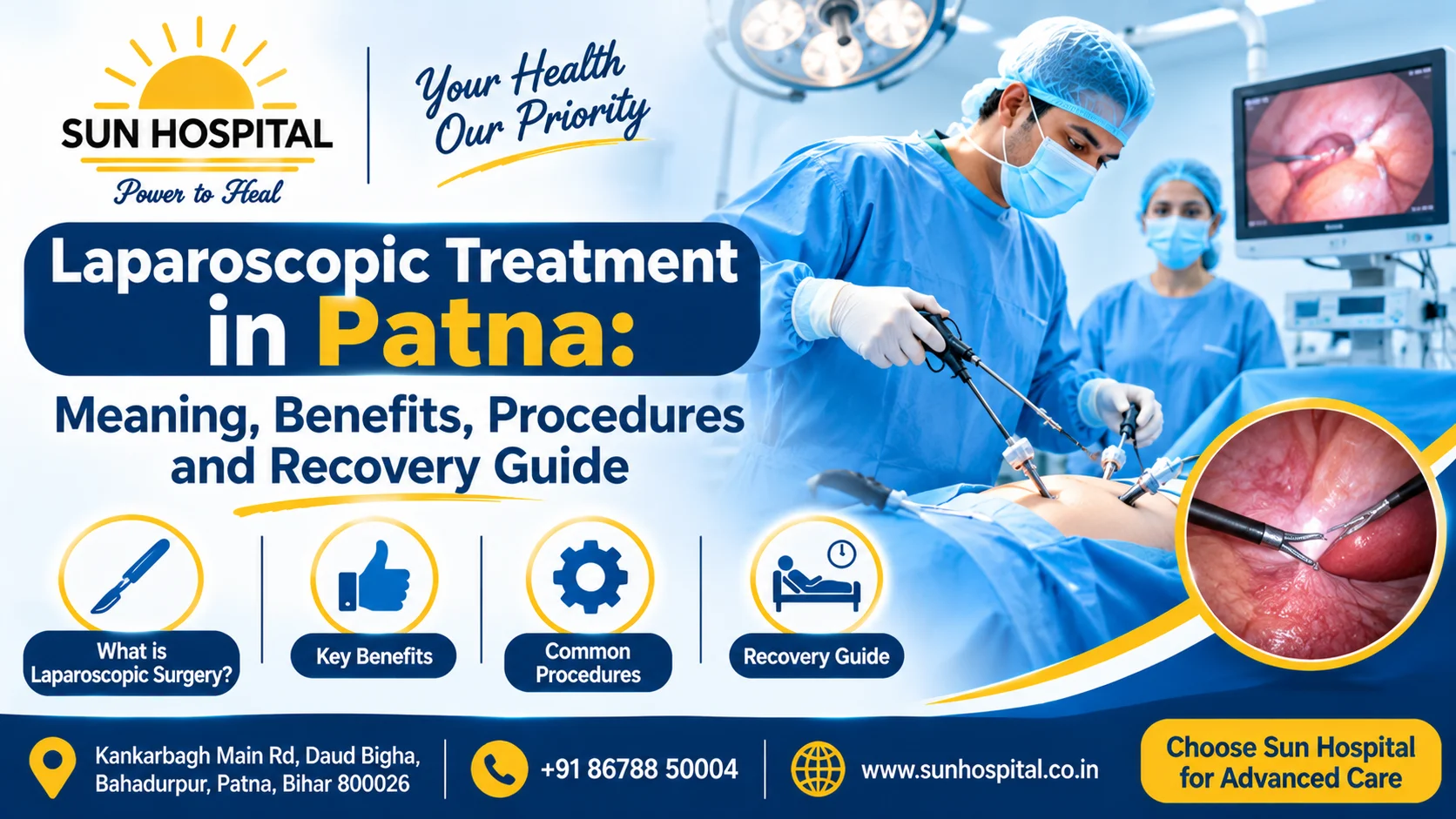
When a doctor says the word surgery, most people picture a long cut, a long hospital stay and a slow road back to normal life. However, modern medicine has softened that picture a great deal. Laparoscopic Treatment in Patna now lets surgeons operate through tiny openings with the help of a high definition camera. As a result, many patients go home sooner and heal with far less trouble.
This guide explains what keyhole surgery really is, who needs it, how it is done and what recovery feels like. So if you or someone in your family has been advised to have an abdominal or pelvic operation, read on before you decide your next step.
What Is Laparoscopic Treatment in Patna and How Does It Work?
Laparoscopy, often called keyhole surgery, is a minimally invasive way to examine and treat problems inside the abdomen and pelvis. The surgeon uses a laparoscope, a slim tube with a light and a tiny camera at its tip. Live images travel to a monitor, so the whole team sees your organs in sharp detail during the operation.
Instead of one long incision, the surgeon makes three or four small cuts, each about half to one centimetre. Carbon dioxide gas then lifts the abdominal wall gently and creates working space. Thin instruments pass through the openings. Once the work is complete, the gas is released and the cuts are closed.
Because this approach spares muscle and surrounding tissue, Laparoscopic Surgery in Patna has become a routine choice for gallbladder, appendix, hernia and many gynaecological problems.
Conditions Treated With Laparoscopic Surgery
Your surgeon chooses the approach only after examining you and reviewing your reports. Several common problems respond very well to this technique.
Digestive and Abdominal Problems That Respond Well to Keyhole Surgery
Gallstones are probably the most frequent reason. Removing the gallbladder through small openings is now the standard approach for stones that cause repeated pain. Appendicitis is another common case, because an inflamed appendix needs prompt removal and the keyhole route often means an earlier discharge. Groin, navel and abdominal wall hernias can also be repaired with surgical mesh, and selected reflux and bowel problems are managed the same way.
Gynaecological and Pelvic Conditions Managed Through Laparoscopy
Women often visit with pelvic pain, heavy periods or difficulty conceiving. Laparoscopy lets the doctor look directly at the uterus, tubes and ovaries to find the cause. It treats ovarian cysts, fibroids, endometriosis and pelvic adhesions, and it can be used for hysterectomy when that is advised. A clear view often allows diagnosis and treatment in a single sitting.
Larger centres also offer Advanced Laparoscopic Surgery in Patna for complex cases such as bowel resections and hiatal hernia repair. These operations demand an experienced team, modern equipment and proper intensive care backup.
The table below gives a quick view of common keyhole operations and the patients they usually suit.
| Procedure | What it treats | Usually suitable for |
| Cholecystectomy | Gallstones and gallbladder disease | Adults with repeated stone pain |
| Appendectomy | Inflamed appendix | Acute or recurrent appendicitis |
| Hernia repair | Groin, navel or abdominal wall hernias | Selected hernias after examination |
| Ovarian cystectomy | Ovarian cysts | Women with large or persistent cysts |
| Diagnostic laparoscopy | Unexplained pelvic or abdominal pain | Patients who need a direct look inside |
| Hysterectomy | Fibroids and heavy bleeding | Cases where removing the uterus is advised |
Key Benefits of Laparoscopic Treatment in Patna
Most of the advantages come from one simple fact: the body is disturbed far less. Therefore, patients usually notice the difference within a few days.
Less Pain, Smaller Scars and Lower Infection Risk
Smaller wounds mean less pain, and many patients need fewer painkillers than they would after open surgery. There is also less bleeding and a lower chance of wound infection. Scars fade into thin lines that are easy to hide, which matters to many young patients.
Shorter Hospital Stay and Faster Return to Routine
Many people go home the same day or the next morning. Early walking lowers the risk of blood clots and helps the bowel start working sooner. Desk work is often possible within a week, while heavy labour needs more time. A shorter stay also means fewer days away from family and work.
How the Procedure Is Performed Step by Step
Every case is different. Still, anyone exploring the best for laparoscopic surgery in Patna should first understand the journey, which usually follows five stages.
- Assessment: the surgeon reviews your symptoms, history, medicines and tests such as blood work and ultrasound.
- Anaesthesia: most operations are done under general anaesthesia, so you sleep through the procedure.
- Access: small incisions are made, gas is introduced and the laparoscope is placed.
- Treatment: instruments remove, repair or biopsy the affected area while the surgeon watches the screen.
- Closure and monitoring: the gas is released, the wounds are closed and you rest in the recovery area.
Recovery After Laparoscopic Treatment in Patna
Recovery depends on the procedure, your age and your general health. Even so, most patients find the first week easier than they expected. Good aftercare makes a real difference to how smoothly you heal.
What to Expect in the First Week at Home
Expect mild soreness, bloating and tiredness. Some people feel pain at the tip of the shoulder because of the gas used during surgery, and it usually settles within a day or two. Walk a little every day, eat light meals, drink plenty of water and keep the wounds clean and dry. Avoid lifting heavy weights until your surgeon says it is safe.
Warning Signs That Need Immediate Medical Attention
Call the hospital without delay if you notice severe or worsening abdominal pain, fever, repeated vomiting, redness or pus at a wound, or breathing trouble. Quick action stops small problems from becoming serious ones. The WHO also stresses safe surgical care and proper follow up for every patient.
How to Choose the Right Laparoscopic Surgeon and Hospital
A good Laparoscopic Surgeon in Patna will never rush you into the operation theatre. Look for a doctor who explains your diagnosis clearly, discusses other options where they exist and talks openly about risks. Ask how often the team performs your procedure and what happens if the surgery must be converted to open.
People comparing hospitals should look beyond advertisements. Check these points before you decide:
- Modern high definition equipment and trained operation theatre staff
- A qualified anaesthesia team and round the clock emergency cover
- Intensive care and blood bank support
- Clear cost estimates and written discharge instructions
- Proper follow up after you leave the hospital
Why a Trusted Multispeciality Hospital Matters for Your Surgery
Surgery is a team effort, and the surgeon is only one part of it. Sun Hospital brings surgeons, anaesthetists, diagnostics and nursing care under one roof, which is why many families consider it the best hospital in Patna for planned surgery. Having every service in one place means fewer delays, clearer communication and safer care from your first consultation to your final check up.
Final Thoughts on Laparoscopic Treatment in Patna
Laparoscopic Treatment in Patna has made many operations gentler and recovery quicker, but the best result still depends on the right diagnosis and the right team. If you have been advised surgery, do not delay. Book a consultation at Sun Hospital, ask your questions and choose the plan that suits you.
Frequently Asked Questions
1. What Is Laparoscopic Treatment in Patna and Who Needs It?
It is a keyhole technique in which a camera and thin instruments pass through small cuts. Doctors use it for gallbladder, appendix, hernia and gynaecological problems.
2. How Long Does Recovery Take After Laparoscopic Treatment in Patna?
Many patients resume a light routine within a week. Bigger operations may need several weeks, and your surgeon will guide you on the exact timeline.
3. Is Laparoscopic Surgery Safe, and Does It Hurt?
It is generally safe when a trained team performs it, although every operation carries some risk. You sleep under anaesthesia, and mild soreness afterwards is common.
4. What Is the Cost of Laparoscopic Surgery in Patna?
The cost depends on the procedure, room type, length of stay and tests required. Request a written estimate after your consultation.
5. Who Is Eligible for Laparoscopic Treatment in Patna?
Most adults with a suitable diagnosis qualify. However, earlier abdominal surgery, heavy scarring or other health issues may make open surgery the safer choice.